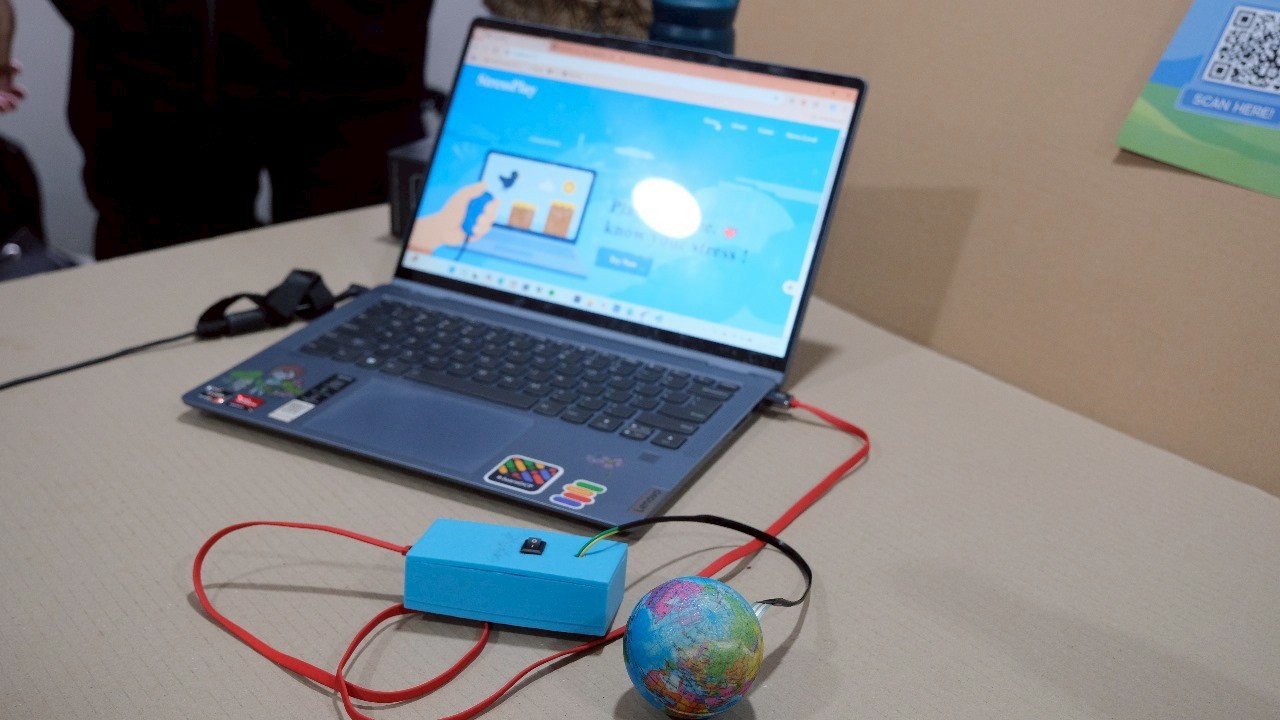
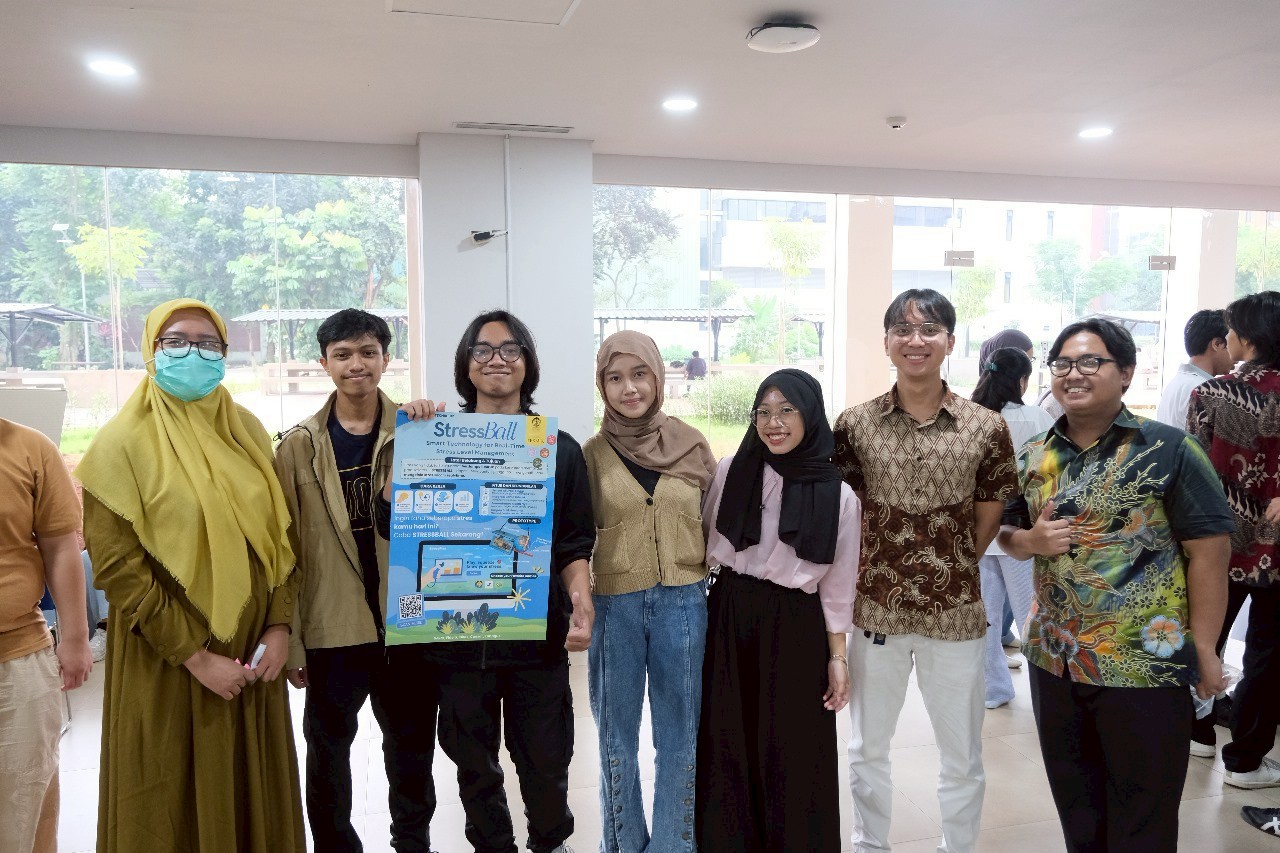
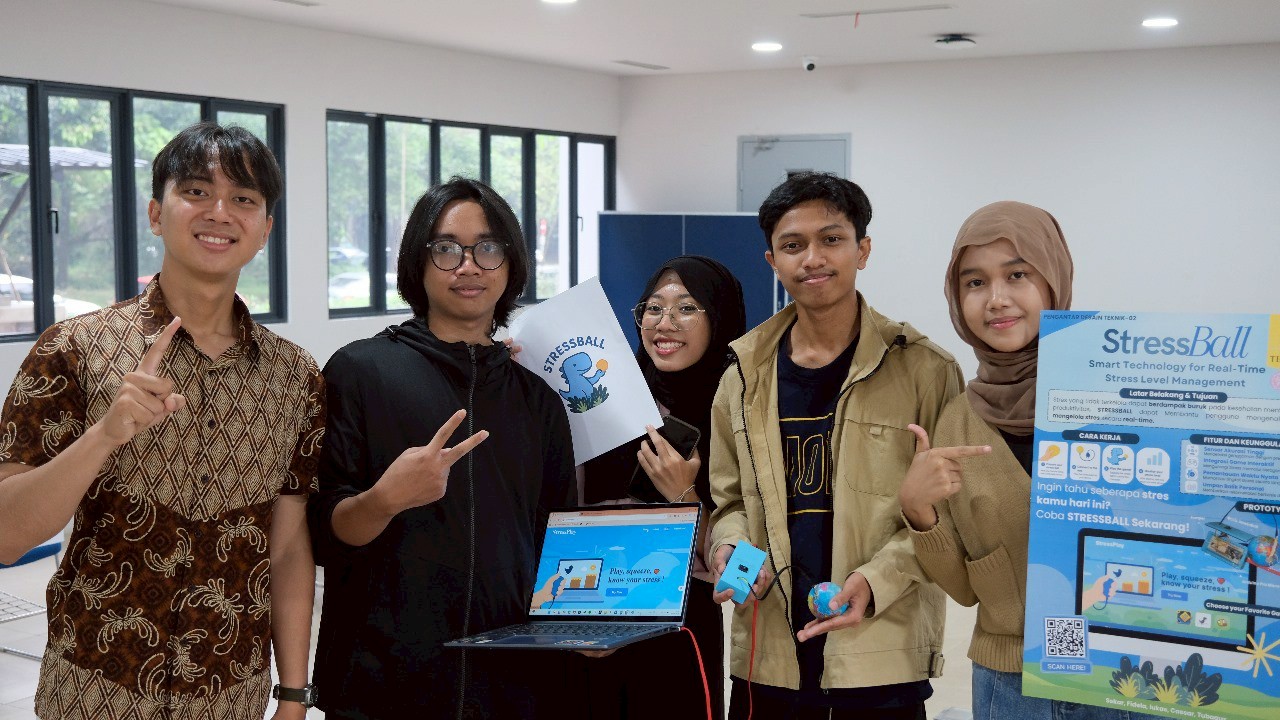
Designed and prototyped the Smart StressBall, an interactive, handheld biometric hardware prototype for real-time stress monitoring and management. Executed as a capstone project for the Introduction to Engineering Design (PDT) curriculum, the product aimed to provide an accessible therapeutic bio-feedback tool targeting students and office workers experiencing occupational pressure.
Technical Architecture & Stack
Hardware & Embedded Systems
- Microcontroller: Utilised the Arduino Pro Micro as the central microcontroller. Selected for its native HID capabilities over USB — enabling keyboard input emulation (e.g., spacebar triggers) without custom driver installations.
- Biometric Sensor: Integrated an analog Force Sensing Resistor (FSR) to capture grip pressure telemetry in real-time.
- Prototyping: Conducted hardware iteration, debouncing, and signal testing using a solderless breadboard and jumper wires.
Software & User Interface
- Firmware: Programmed the microcontroller firmware using C/C++ (Arduino IDE) to continuously poll analog sensor data, apply threshold logic, and transmit HID signals to the host machine.
- Web Integration: Developed an interactive, gamified web application (UI designed via Figma) that visualised the user's stress levels in response to physical interaction with the hardware.
System Logic & Algorithmic Design
- Stress Indication Score (SIS): Implemented a custom algorithm to estimate stress levels based on grip force and game telemetry inputs (
HITS,MISSES,OOZ,Speed). - Data Variables: The SIS calculation relies on real-time inputs including:
HITS(successful, timed interactions)MISSES(failed interactions)OOZ(out of zone timing errors)Speed(pacing of incoming targets)
- Edge-Case Handling: Structured conditional logic blocks to handle mathematical edge cases, preventing
NaNorInfinityerrors (e.g., when a user achieves zero successful hits).
User Testing & Product Validation
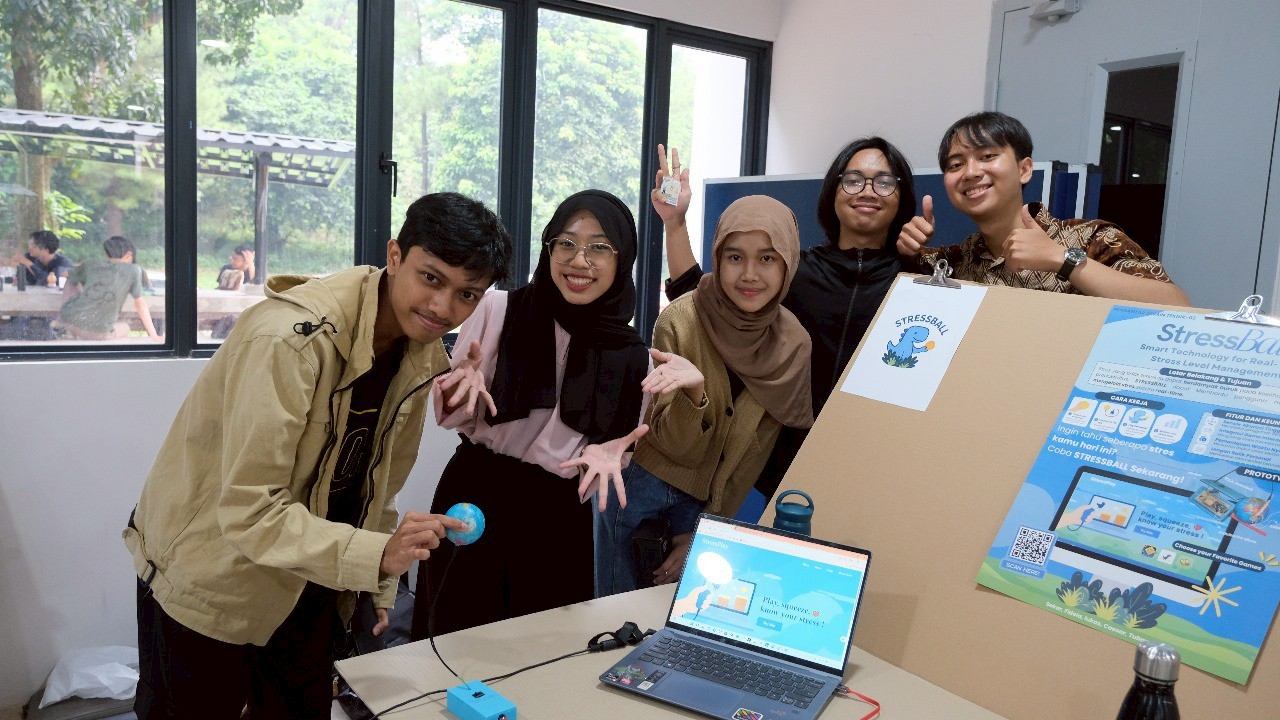
- Conducted structured usability testing sessions (5-10 minutes per user) with the target demographic.
- Quantitative Metrics: Post-testing surveys recorded an average satisfaction rating of 4.5/5 across ergonomics and software interactivity dimensions.
Core Competencies
Embedded Systems, Hardware Prototyping, Human-Computer Interaction (HCI), Arduino C/C++, Product Design Lifecycle